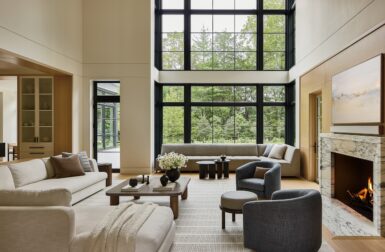
Natural materials, subtle textures, and durable finishes prove minimalist interiors can be both elegant and eminently livable
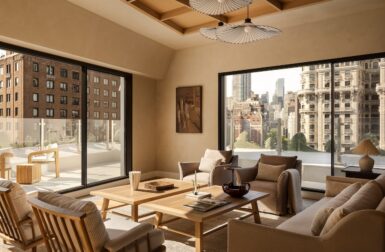
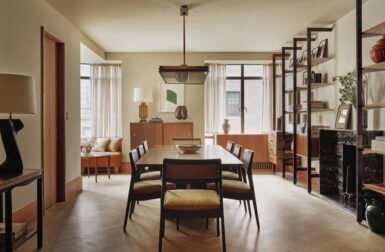
Thoughtful millwork, natural stone, and custom furnishings unify two pre-war Manhattan apartments into a warm, contemporary home for a young family.
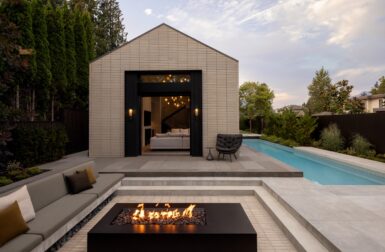
Garret Cord Werner Architects, HB Design, and Donohoe Living Landscapes transform two neighboring lots into a seamless composition.
Natural materials, winding garden paths, and wellness-focused spaces preserve the spirit of a beloved Japanese-inspired home.
Six decades after Abercrombie & Kent's first safari, the company returns to Amboseli with a lodge that abandons the canvas tent for walls plastered with the earth beneath it.
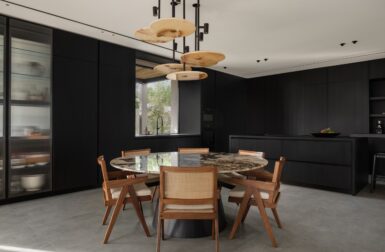
Inside a terracotta-roofed Dubai villa, a quietly subversive renovation uses Japanese restraint.
Radnor marks its tenth anniversary by opening a penthouse gallery inside Brooklyn Tower, debuting with a solo exhibition of handwoven works by Los Angeles-based artist Rachel DuVall.
A red-bellied spiral staircase, a sawtooth ceiling, and a borrowed dose of Milanese restraint reveal what happens when designers choose to listen to a mid-century house rather than talk over it.
Clerestory Garden turns a constrained footprint in Toshima City into a porous mixed-use building shaped by greenery, daylight, and spatial generosity.
How silk shifts with light, a UNESCO-protected woodcarving technique, and the conceptual weight of a cocoon - Ana Kraš's Svila is a collection built around material that refuses to stay still.
Every object in this London apartment was chosen to mean more in twenty years than it does today.
A structural wall, boxy pickets, and grey contractor finishes stood between this Toronto townhouse and what it could be.
Nicholas Potts Studio and Studio Armando Aguirre restore the spatial generosity of the landmark Rockefeller Apartments through layered interiors informed by Bauhaus references, vintage furnishings, and the building’s original architectural DNA.
OAD transforms a cluster of grass-covered Soviet bunkers on the Latvian coastline into a family retreat where the architecture of defense becomes the language of home.
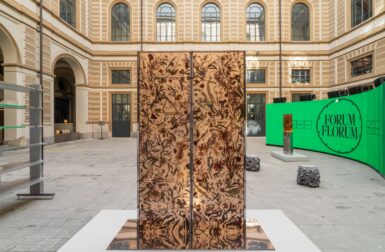
Staged inside an 1838 educational institution rather than a commercial showroom, Marcin Rusak's Milan Design Week exhibition asks visitors to slow down, sit down, and listen to plants.